
Invidia
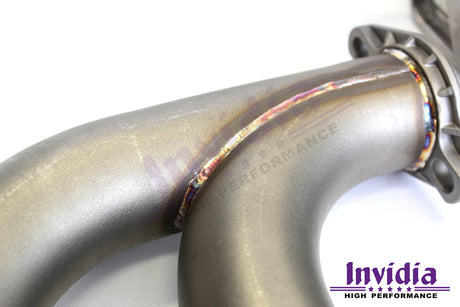
Invidia Q300 Valved Catback Exhaust w/Oval Ti Rolled Tips - VW Golf R Mk7
$2,499.00Unit price /Unavailable-
Invidia
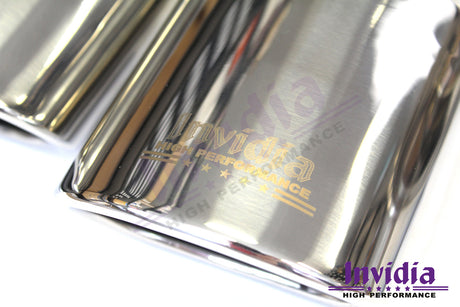
Invidia Q300 Non-Valved Catback Exhaust w/Oval SS Rolled Tips - VW Golf R Mk7
$1,590.00Unit price /Unavailable-
Integrated Engineering
INTERGRATED ENGINEERING IE Performance Catback Exhaust For Audi RS3 8V
$4,899.95Unit price /Unavailable-
-
INTEGRATED ENGINEERING
iE Catback Exhaust System For VW MK8 Golf R
$3,499.95Unit price /Unavailable-
INTEGRATED ENGINEERING
iE Catback Exhaust System For VW MK7/7.5 GTI
$2,449.95Unit price /Unavailable-
INTEGRATED ENGINEERING
iE Catback Exhaust System For VW MK7 Golf R & Audi 8V S3
$4,099.95Unit price /Unavailable-
-
INTEGRATED ENGINEERING
IE Catback Exhaust System For Audi C8 RS6 & RS7
$11,419.95Unit price /Unavailable-
-
-
-
-
-


FAQs
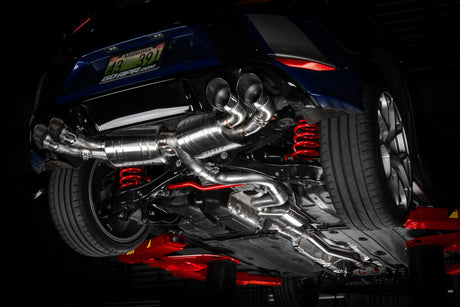
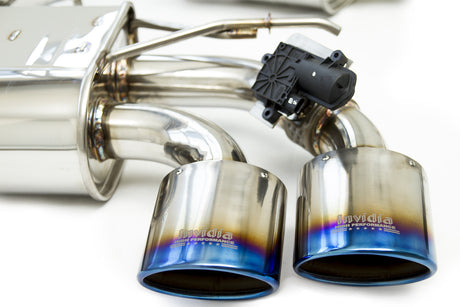
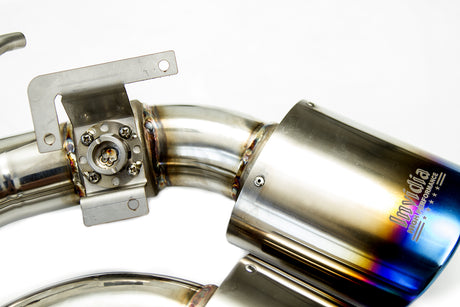
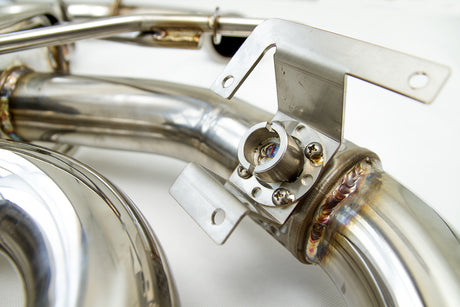
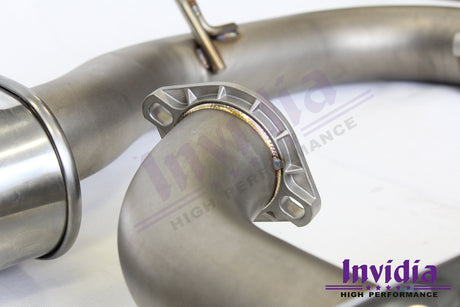
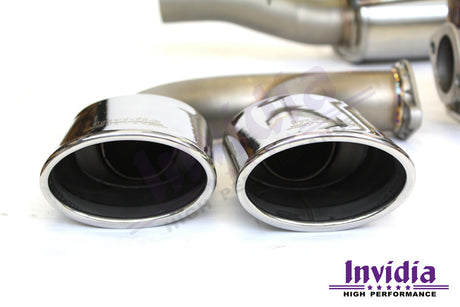
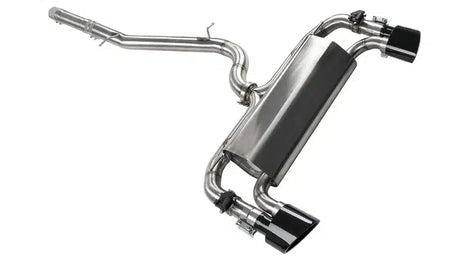
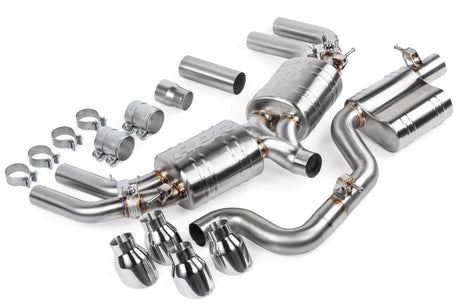
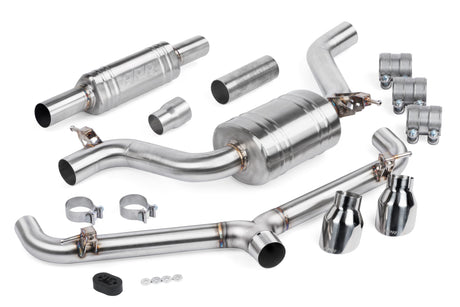
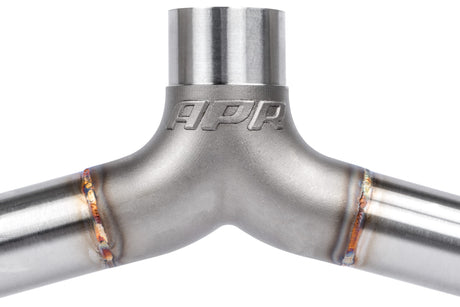
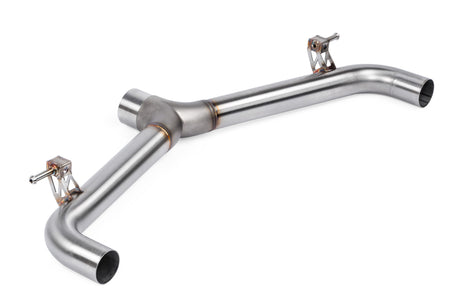
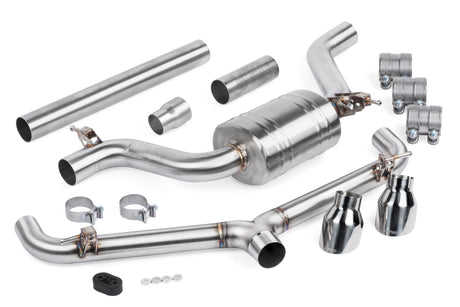
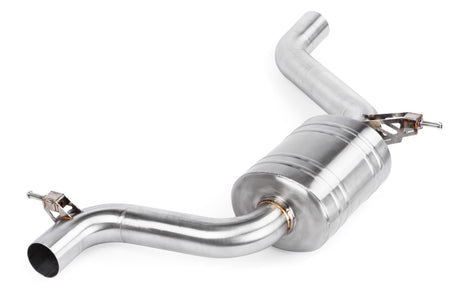
A cat back exhaust system replaces the section of exhaust piping that runs from the catalytic converter to the rear of the vehicle. This typically includes the mid-pipe, resonators, mufflers, and exhaust tips. By improving airflow compared with factory systems, cat back exhausts can improve both performance and sound.
What is a cat-back exhaust system?
A cat back exhaust system replaces the section of exhaust piping that runs from the catalytic converter to the rear of the vehicle. This typically includes the mid-pipe, resonators, mufflers, and exhaust tips. By improving airflow compared with factory systems, cat back exhausts can improve both performance and sound.
What does a cat-back exhaust improve?
A cat back exhaust improves exhaust flow, allowing the engine to expel gases more efficiently. This can enhance power delivery, exhaust tone, and performance gains depending on the vehicle and supporting modifications.
Is a cat-back exhaust legal in Australia?
Most cat back exhaust upgrades are legal because they retain the catalytic converter and emissions equipment. However, the system must still meet local noise regulations and be suitable for road use.
Will installing a cat-back exhaust affect fuel efficiency?
In some cases, improved exhaust flow can lead to slightly better fuel efficiency during steady driving. However, the difference is usually modest and depends heavily on driving style.